

Installation
Fiber Installation, Fusion Splicing & Testing: A Field How-To
Guides in this series
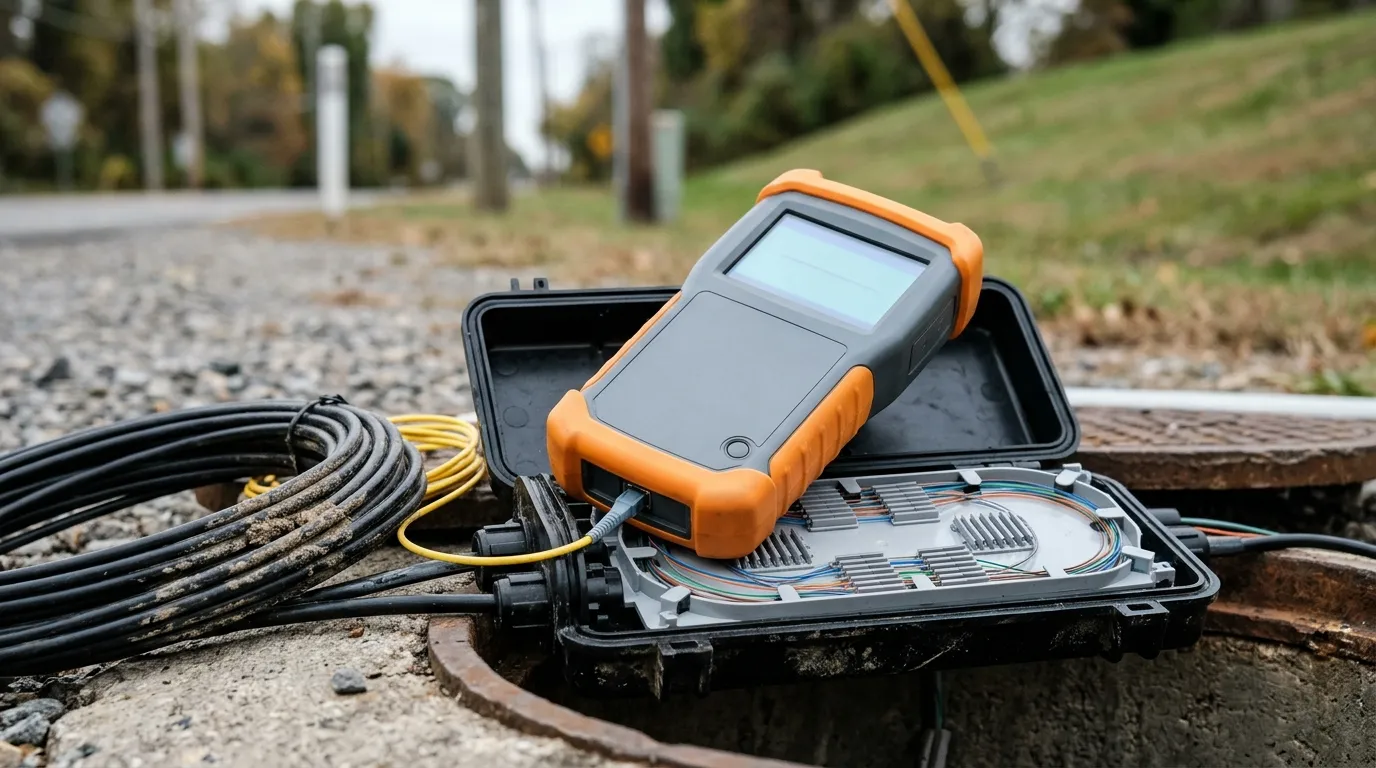
How to Read an OTDR Trace: Events, Ghosts, Dead Zones
A trace is not a picture of the fiber. Read the four shapes, tell a ghost from a real event, judge the trace before the fiber, then make the pass/fail call.
Read guide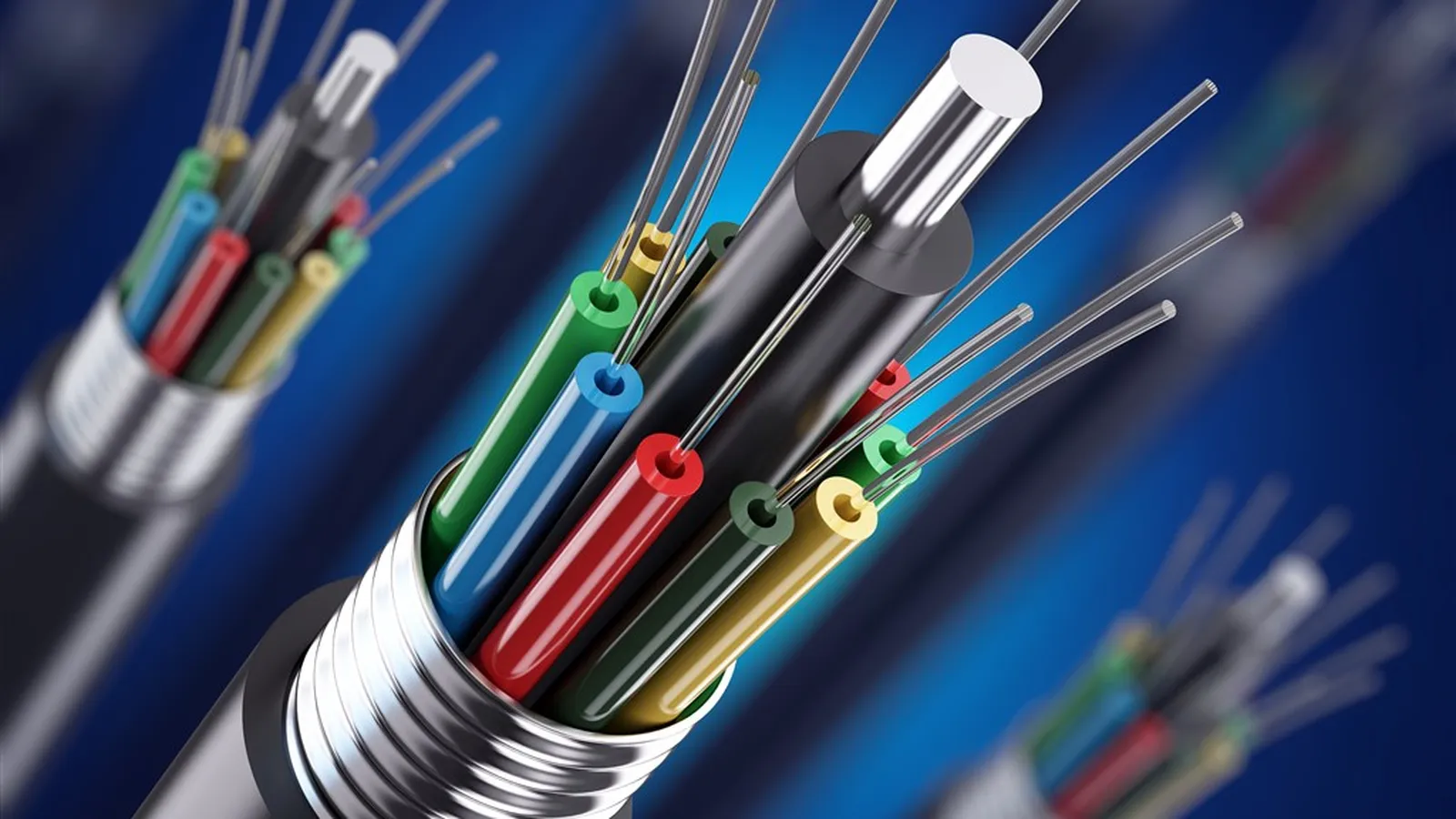
How to Repair a Cut Fiber Optic Cable in the Field
A cut fiber optic cable is restored, not just spliced: confirm the fault, locate the break, choose the method, re-seal the span, then test it and record it.
Read guide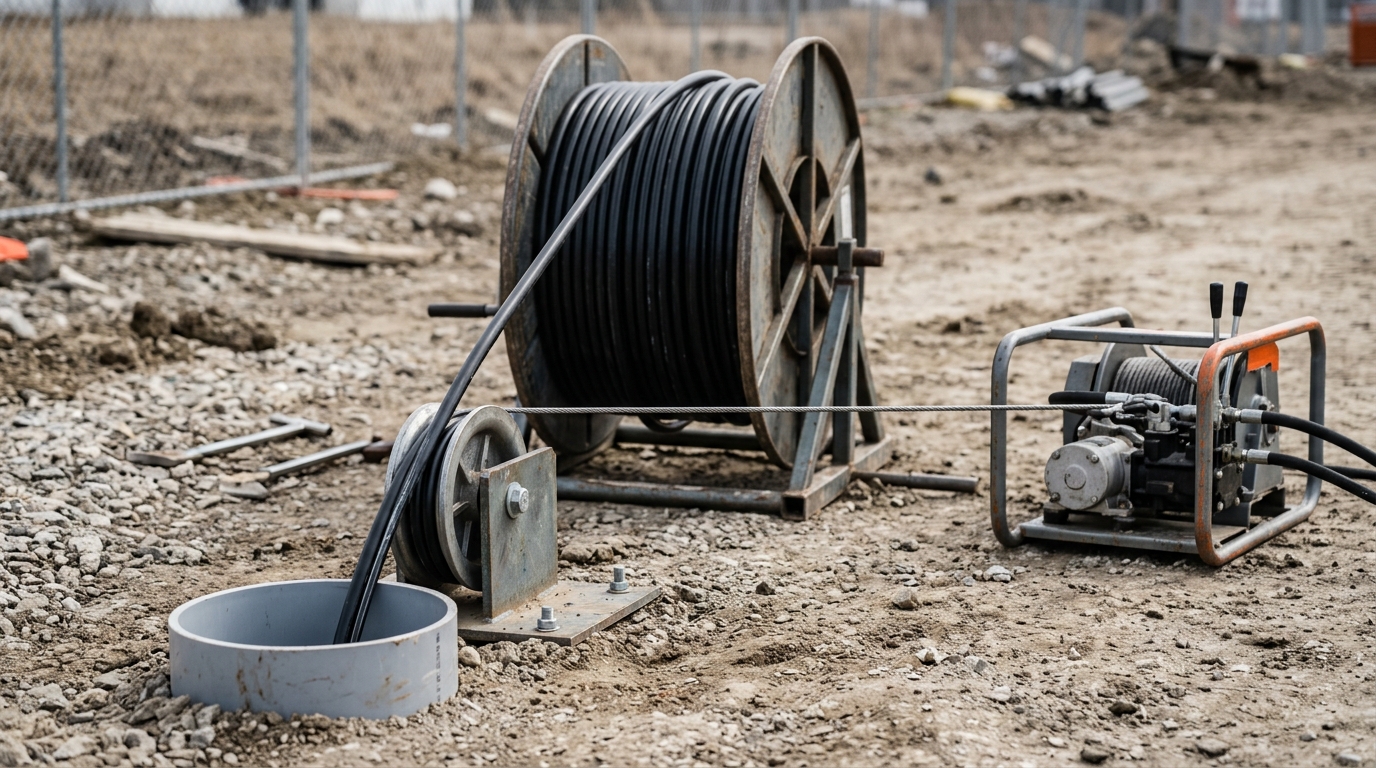
10 Fiber Optic Cable Installation Best Practices
Field-tested practices for pulling, routing and slack management: tension limits, conduit fill, figure-8 payoff, and where to leave slack you can reach.
Read guide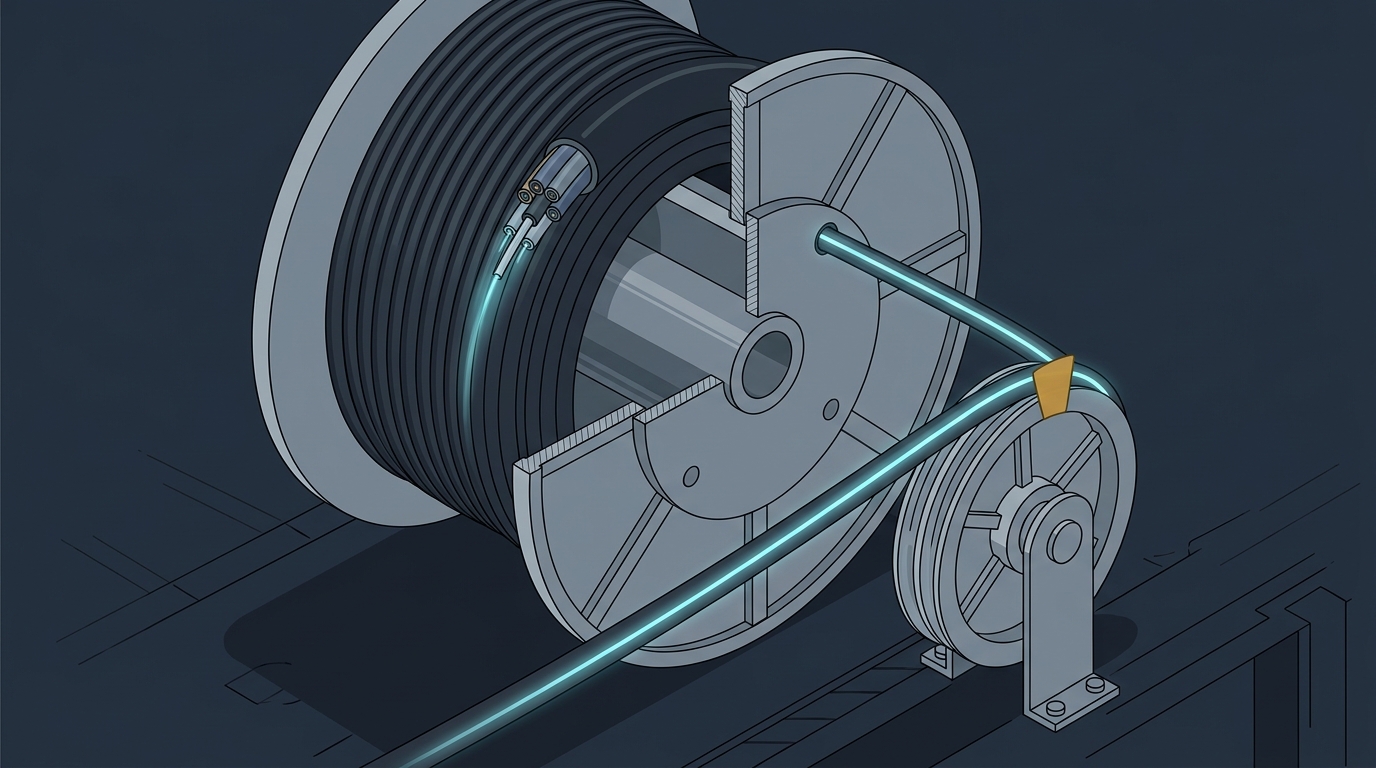
Fiber Optic Bend Radius: Minimums by Cable Type
Fiber optic bend radius limits are set by the cable, not by the 20x rule. See real minimums by construction, macrobend loss, and how a bend looks on an OTDR.
Read guide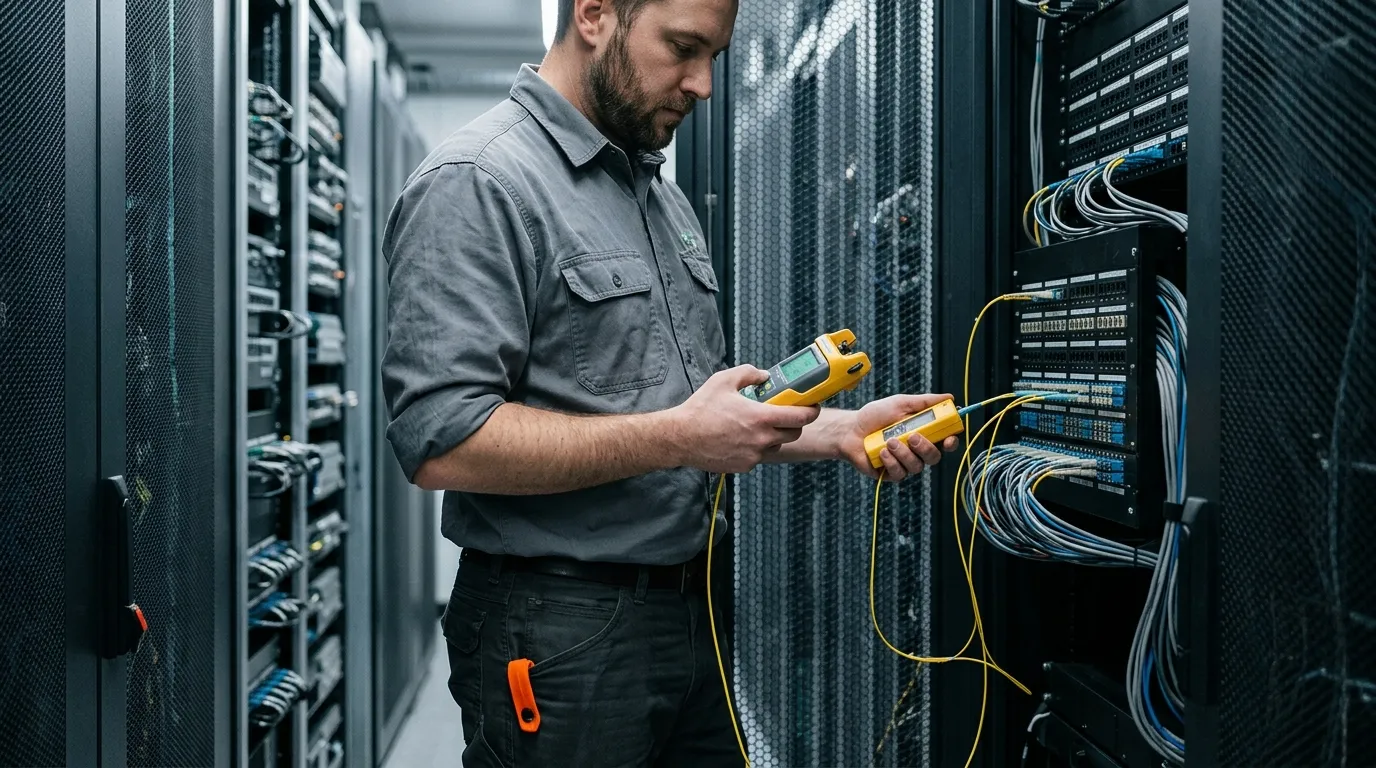
Insertion Loss vs Return Loss: Formulas and Limits
Insertion loss vs return loss: what each dB measurement means, the formulas, typical connector and splice pass/fail limits, and how OLTS and OTDR test them.
Read guide
Fusion Splicing vs Mechanical Splicing vs Connectorization
Fusion splicing, mechanical splicing, and connectorization compared: typical loss in dB, equipment and per-joint costs, service life, and when to use each.
Read guide
How to Test Fiber Optic Cable: OTDR, OLTS, Power Meter
Learn to test fiber optic cable: continuity checks, VFL inspection, OLTS loss tests, OTDR traces, plus pass/fail thresholds and a worked loss-budget example.
Read guide
How to Splice Fiber Optic Cable: Fusion & Mechanical
How to splice fiber optic cable step by step: fusion and mechanical methods, tools, splice loss limits, OTDR verification, and fixes for high-loss splices.
Read guide