

Compliance
Fiber Optic Certifications & Compliant Sourcing: UL, CPR, Anatel, TL 9000
Guides in this series
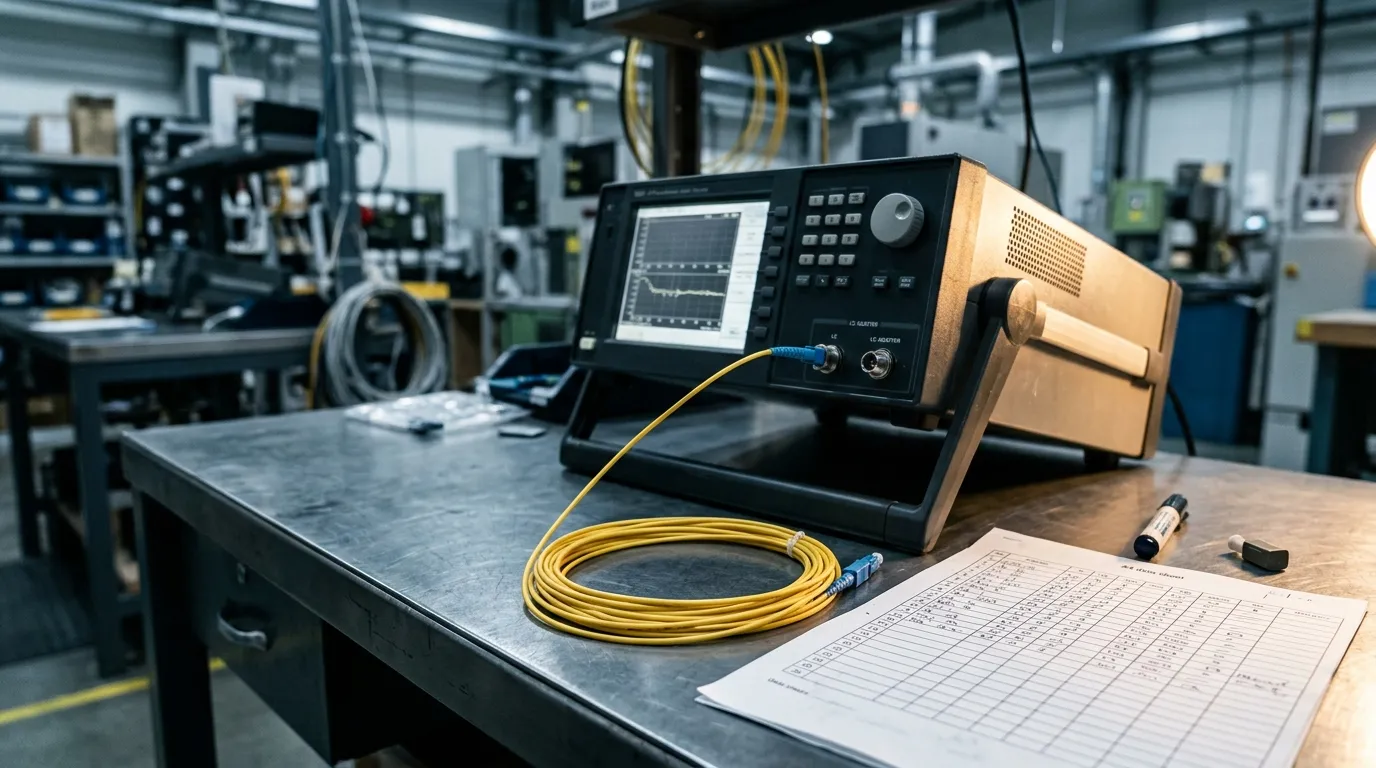
Fiber Optic Test Reports: What to Demand Per Shipment
A per-shipment fiber optic test report only counts if it names the method, the instrument and the limit. The fields to demand, and five checks on the numbers.
Read guide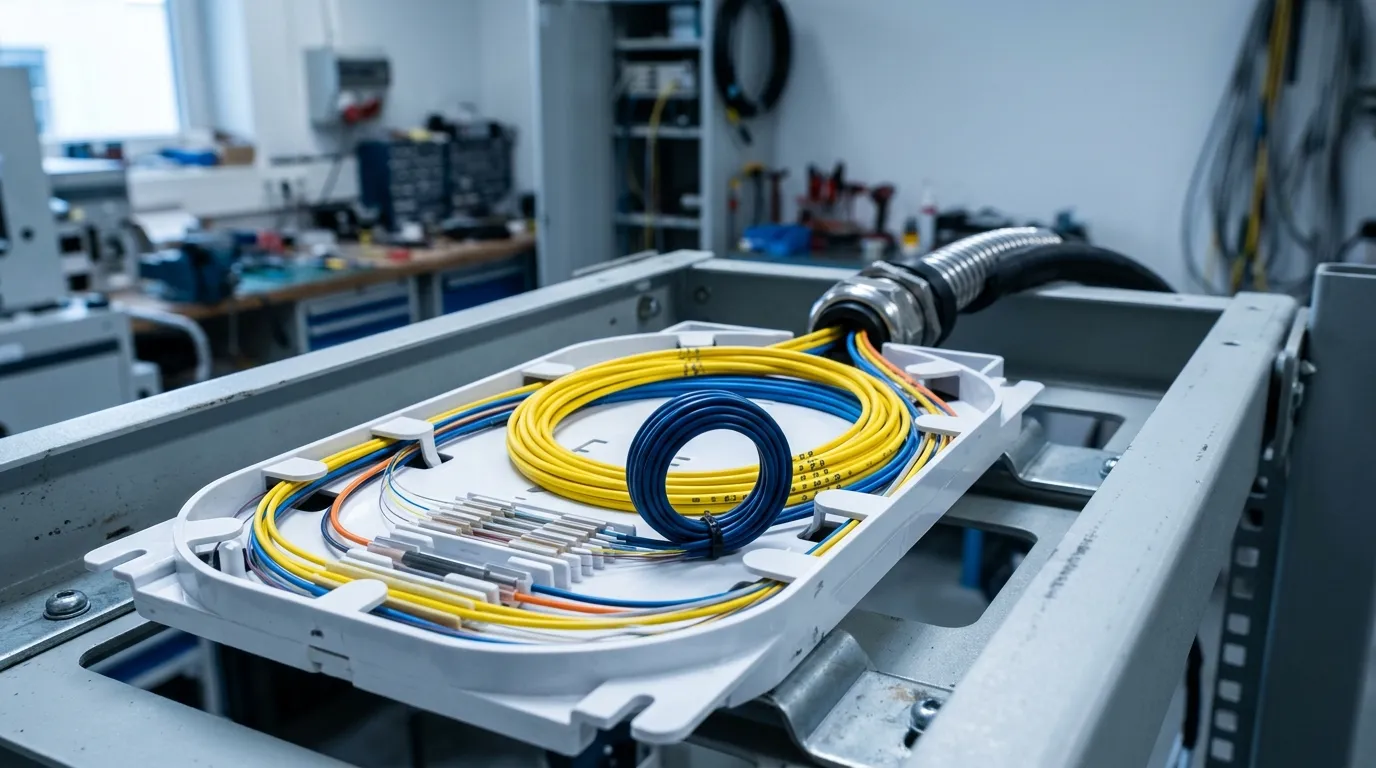
G652D vs G657A1 vs G657A2: ITU Fiber Grades Compared
G652D vs G657A1 vs G657A2 compared on ITU-T bend radius tests, attenuation, dispersion and splice compatibility, plus the grade wording a purchase order needs.
Read guide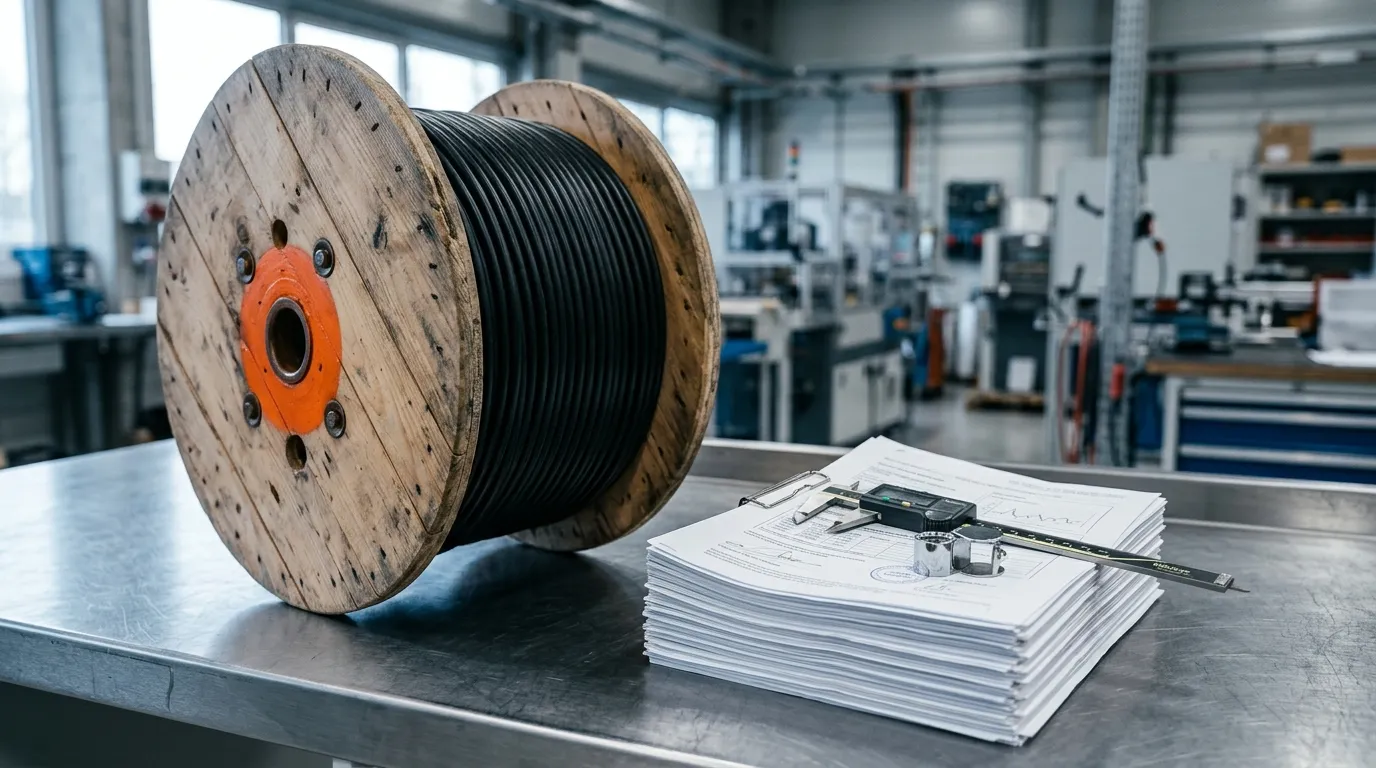
ISO 9001 vs TL 9000: What Fiber Buyers Should Check
TL 9000 is not a better ISO 9001: it is a telecom metrics system built on ISO 9001:2015. What each one proves about a fiber cable supplier, and how to check it.
Read guide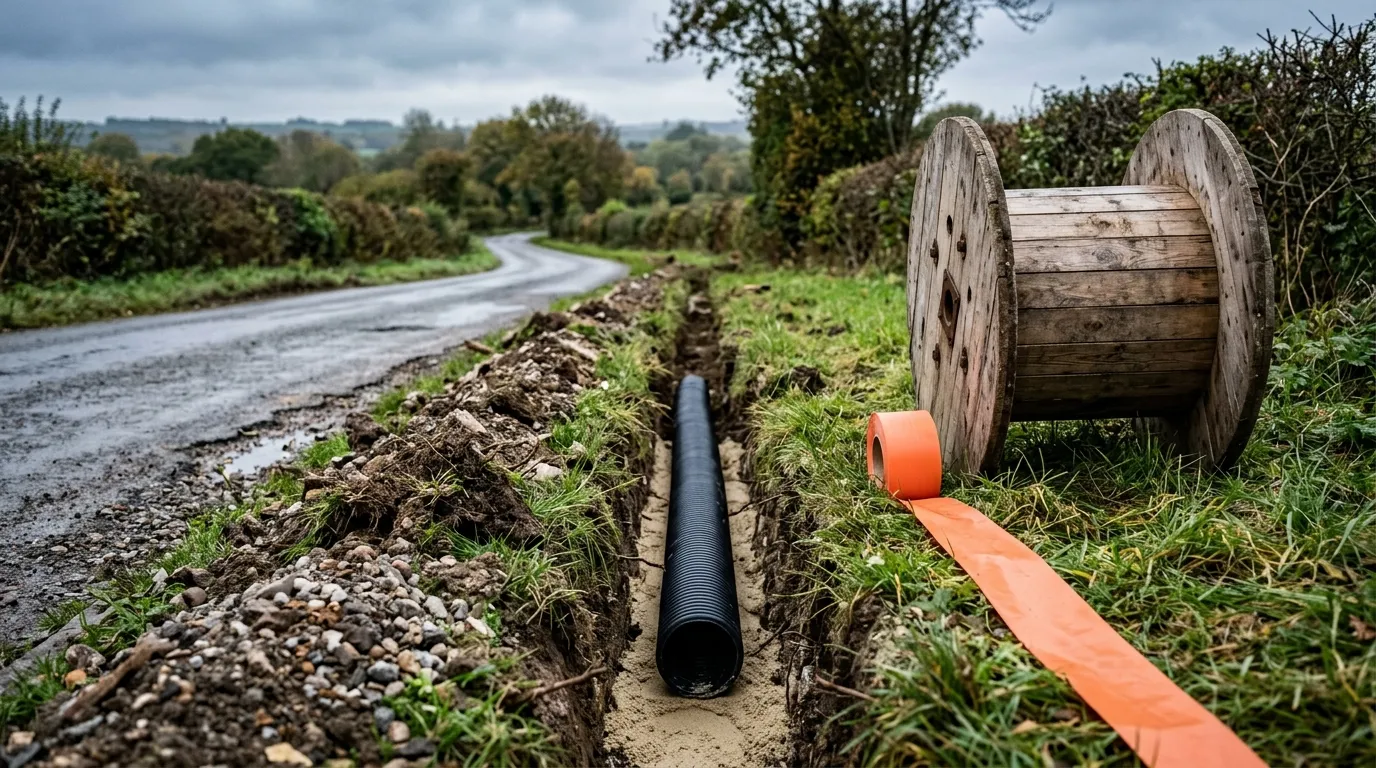
How Deep Is Fiber Optic Cable Buried? Depth Standards
Buried fiber optic cable sits 300 mm to 1,200 mm down, but your number comes from the code that governs the route, not the cable. Depth by country and surface.
Read guide
Anatel Certification for Fiber in Brazil: Buyer Guide
Do you need Anatel certification to sell fiber optic cable in Brazil? Here is what importers and ISPs must check, plus how to verify a supplier's certificate.
Read guide
One Supplier, Three Markets: UL+CPR+Anatel Checklist
One supplier can cover the US, EU and Brazil — if you verify UL, CPR and Anatel separately. Use this five-point compliance checklist before the final PO.
Read guide
B2ca vs Cca vs Dca: CPR Fire Ratings for Fiber Cable
CPR fire ratings for fiber optic cable: what B2ca, Cca and Dca mean under EN 50575, and how to read a Declaration of Performance (DoP) and verify a supplier.
Read guide
How to Verify a Fiber Cable Supplier's UL Listing
Verify a fiber optic cable supplier's UL listing before you commit: look up the UL file number in Product iQ, read the UL mark, and spot fake certifications.
Read guide