

FTTA / 5G
FTTA & 5G Fronthaul: Tower-Top Fiber Reliability & Cabling
Guides in this series
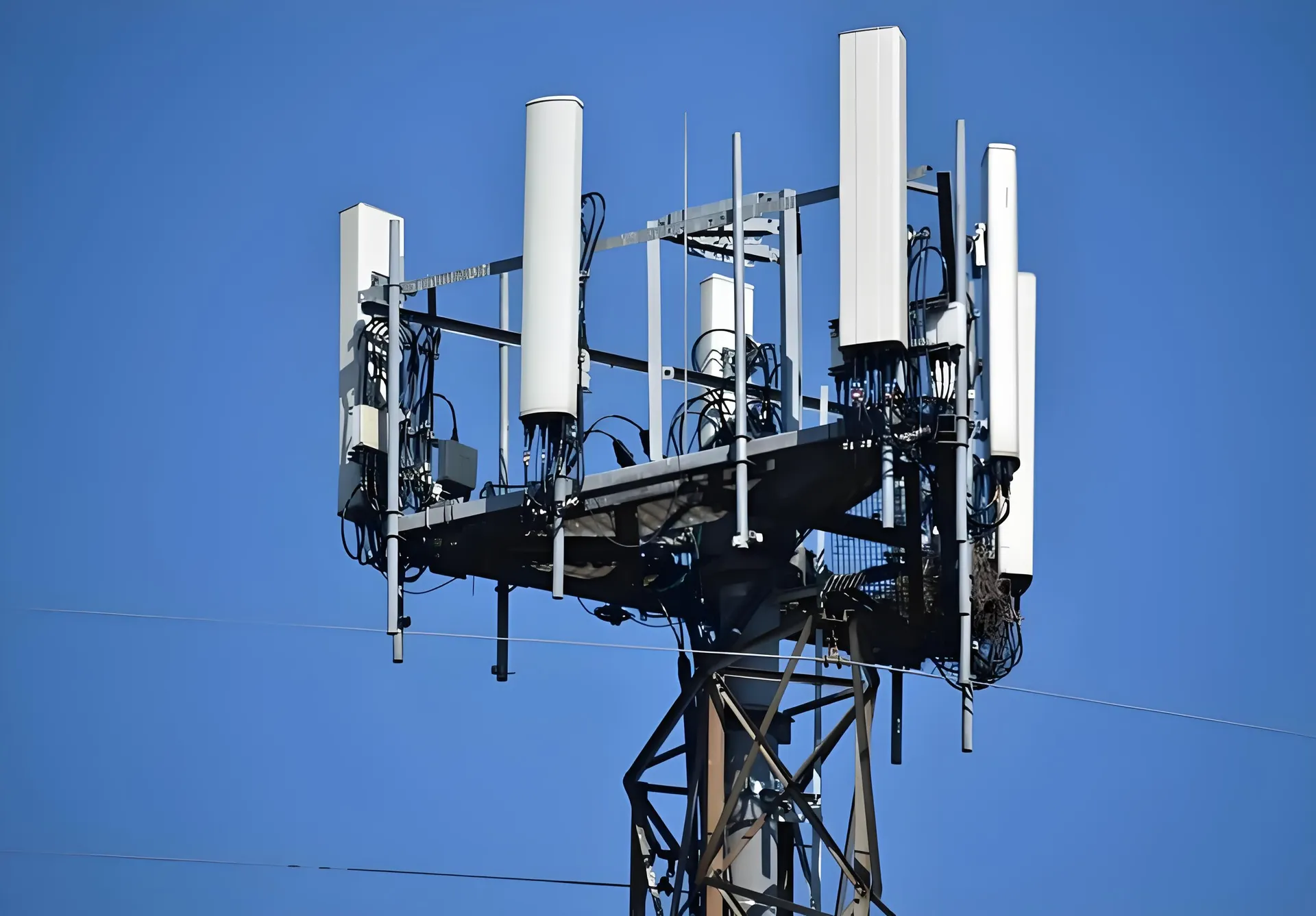
How to Qualify an FTTA Cable Assembly Supplier
How to qualify an FTTA cable assembly supplier: seven gates covering the spec, test data, certificates, samples, audit, traceability and commercial terms.
Read guide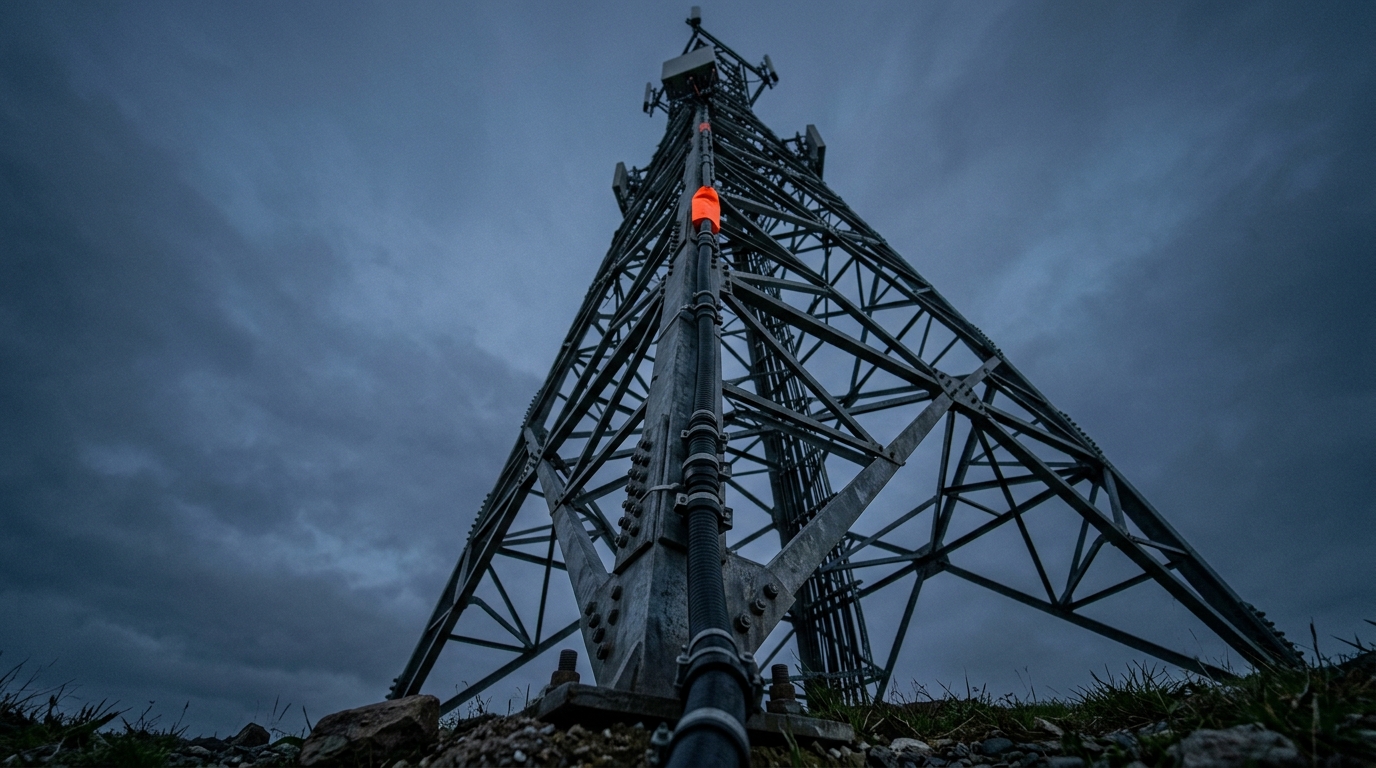
5G Fiber Cable Types: Fronthaul, Midhaul, Backhaul
Not all 5G fiber is the same. Learn which fiber cable types fronthaul, midhaul, and backhaul demand, from G.652 single-mode to IP-rated outdoor connectors.
Read guide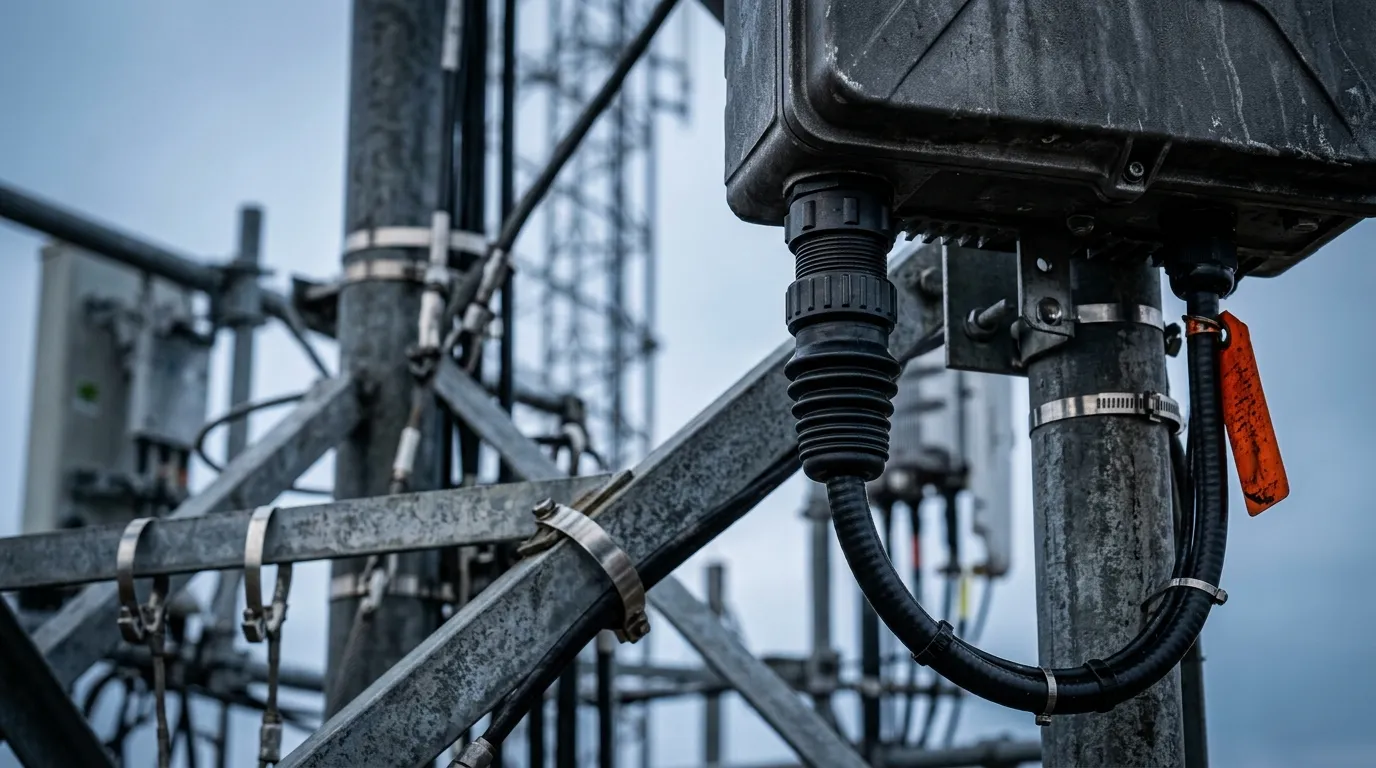
The True Cost of a Tower Top Failure: Truck Rolls
A tower top failure on a cell site rarely costs what the broken part costs. Here is the bill: dispatch, repeat visits, crew risk, and the spec that cuts it.
Read guide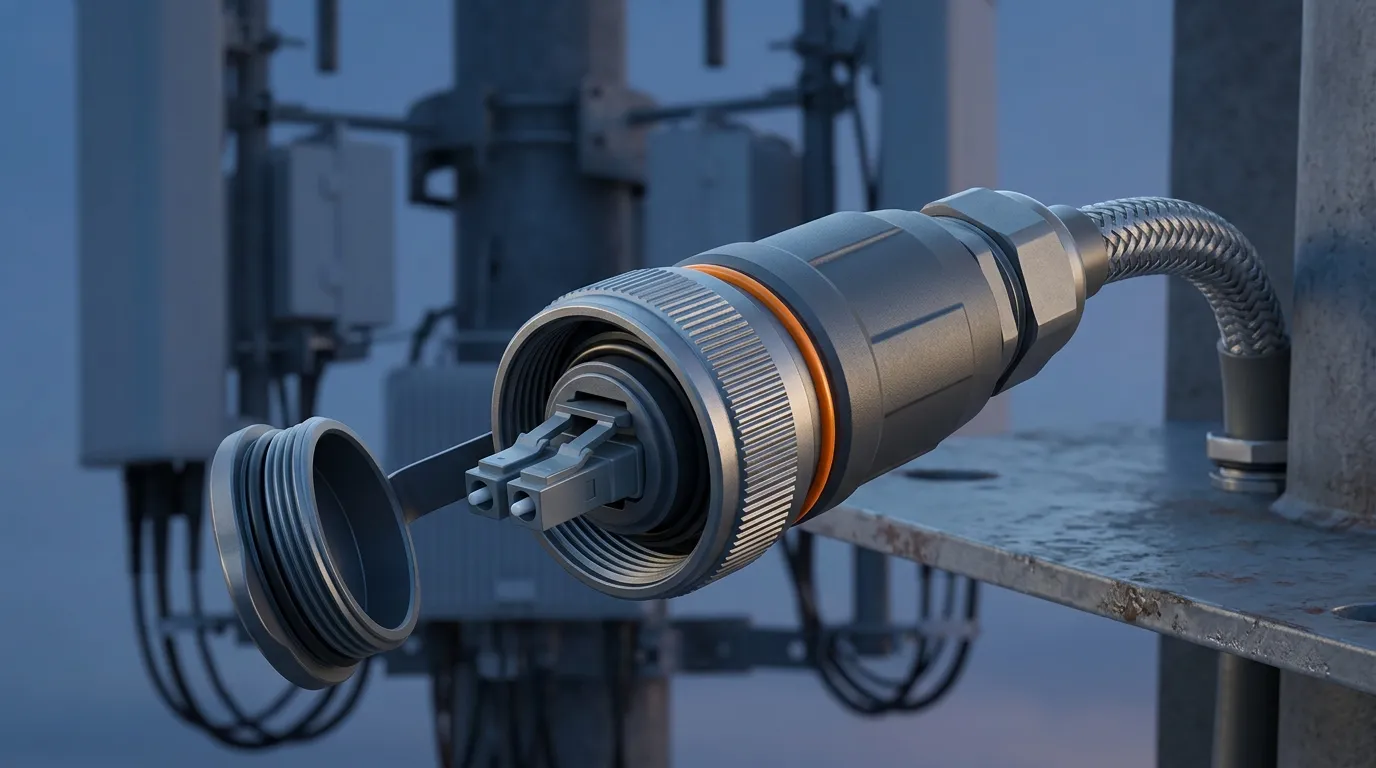
IP67 vs IP68 Fiber Connectors: What Survives on a Tower
IP67 vs IP68 outdoor fiber connectors differ in exactly one test: immersion depth and time. Here is what each rating really guarantees on a cell tower.
Read guide
CPRI Explained: The Fiber Link Between BBU and RRU
CPRI is the fiber link between a baseband unit (BBU) and remote radio units (RRUs). What it carries, its line rates, and the eCPRI shift in 5G fronthaul.
Read guide
FTTA Cable Assemblies: ODVA vs NSN vs FullAXS vs PDLC
Compare ODVA, NSN Boot, FullAXS and PDLC waterproof connectors for FTTA cable assemblies: IP ratings, standards, SFP access, and which fits your tower.
Read guide
FTTA Meaning: Fiber to the Antenna for 4G/5G Sites
Fiber to the antenna (FTTA) replaces coax between the baseband unit and remote radio unit at 4G/5G cell sites. See the architecture and what to specify.
Read guide