
Fiber Basics
Fiber Optics 101: The Complete Guide to Fiber Optic Cable Types, How They Work, and Where They’re Used
Guides in this series
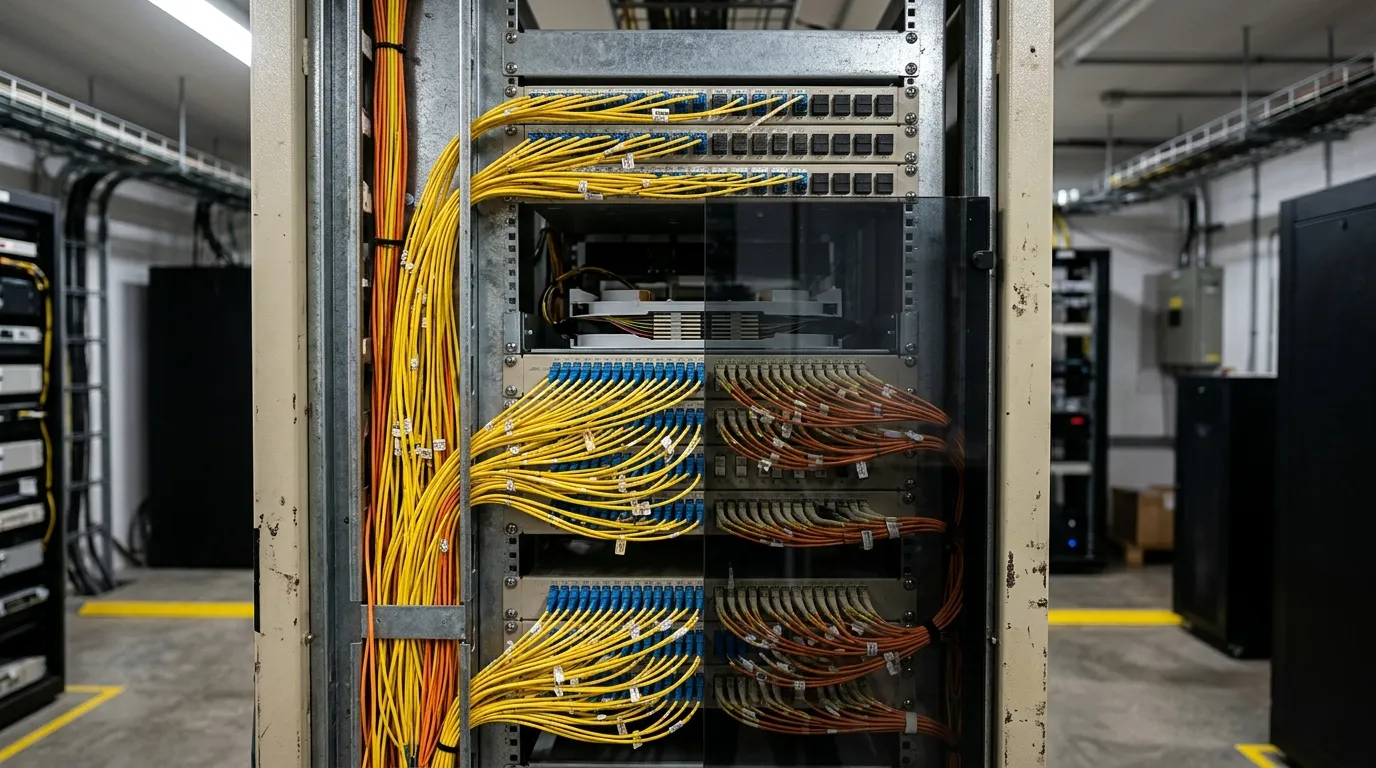
What Is an Optical Distribution Frame? ODF Guide
An optical distribution frame (ODF) terminates, splices, patches, and stores fiber in one frame. How an ODF is built, its types, and the five specs to buy on.
Read guide
How Far Can Fiber Optic Cable Run? Distance Limits
How far fiber optic cable can run depends on the transceiver, the fiber grade and the link loss budget, not the cable. Distance limits by grade and speed.
Read guide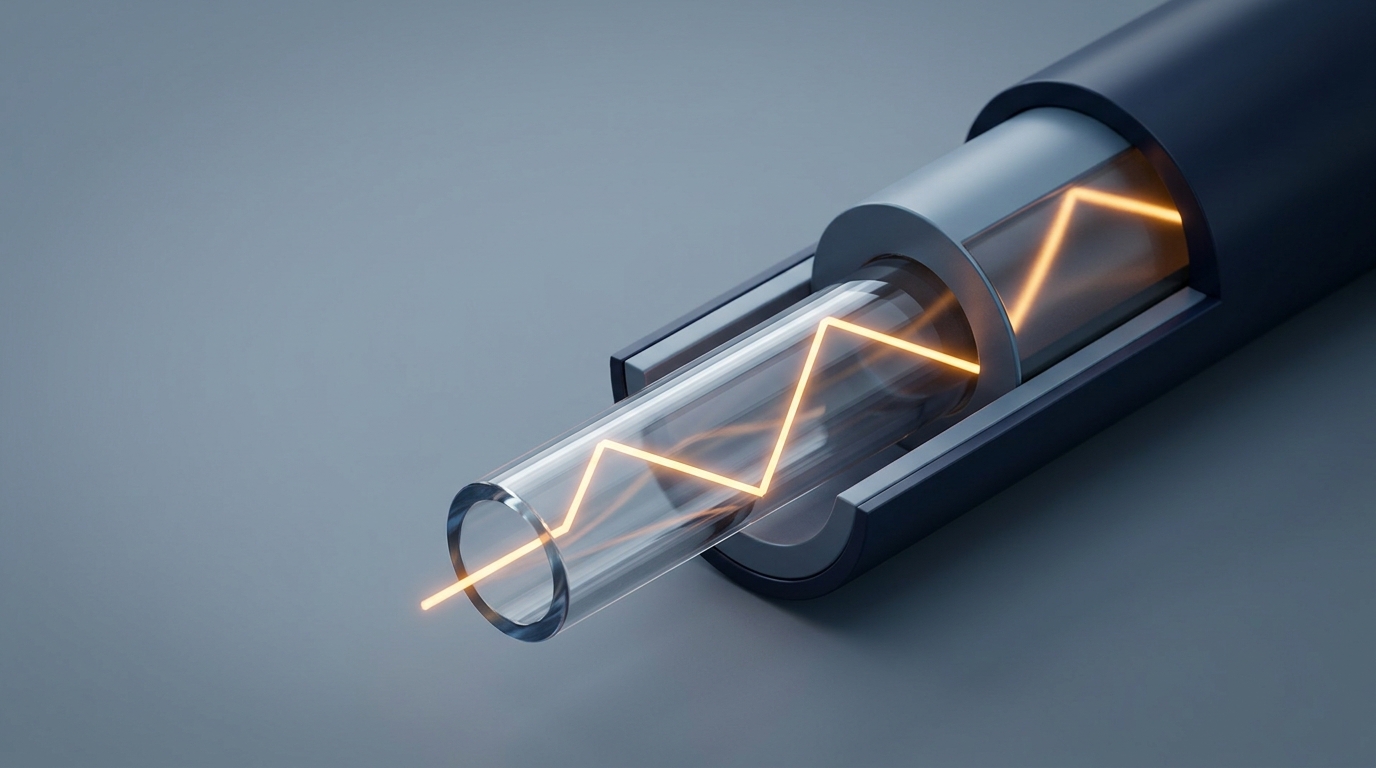
How Fiber Optic Cables Work: Total Internal Reflection
Fiber optic cables work by total internal reflection: the cladding bends light back into the core, so the signal keeps going. Here is the path, step by step.
Read guide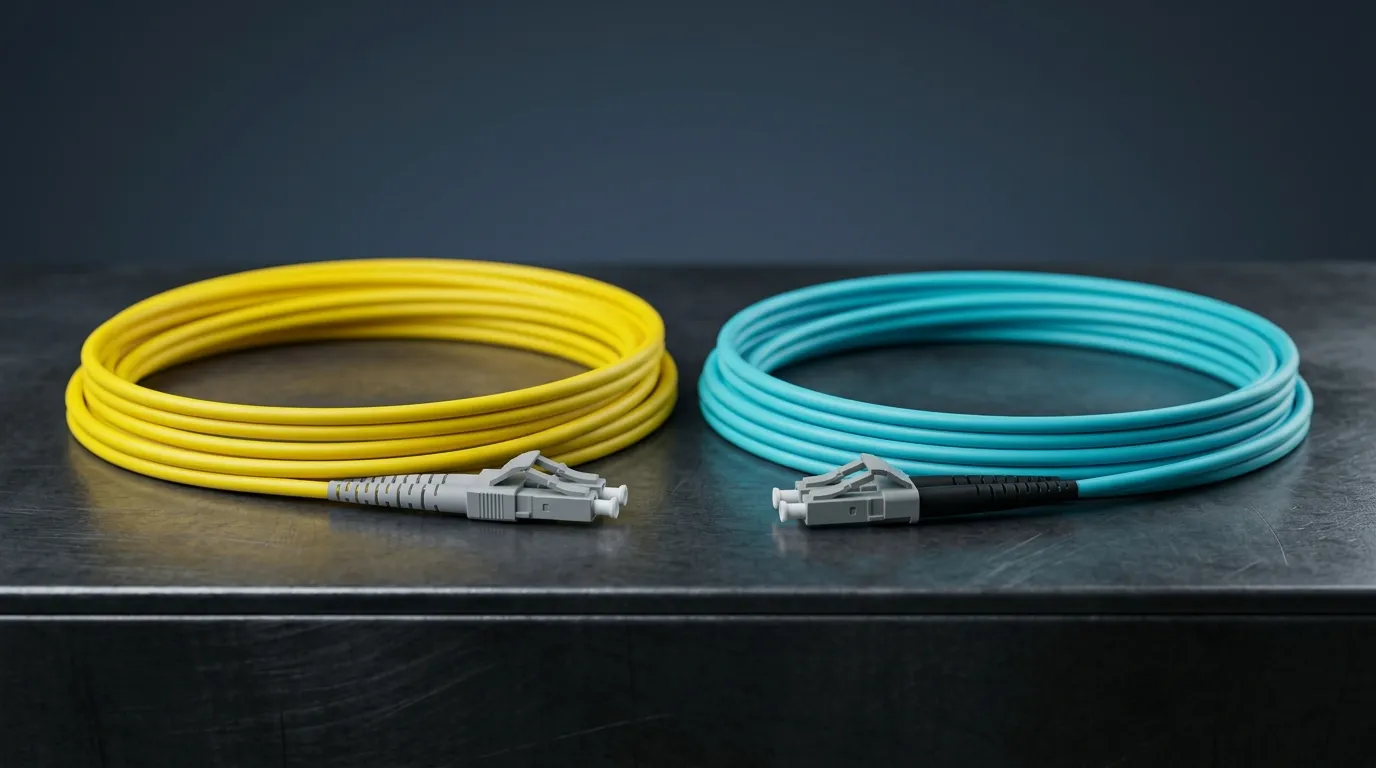
Single-Mode vs Multimode Fiber: How to Choose (2026)
Single-mode vs multimode fiber: 9 µm vs 50/62.5 µm cores, 850 nm vs 1310/1550 nm optics, real reach by fiber grade, whole-link cost, and how to choose.
Read guide
Fiber vs Copper Cable: Speed, Cost & Reliability
Fiber vs copper cable compared — speed, distance, EMI immunity and a quantified 10-year TCO, plus where copper (PoE, short runs) still wins.
Read guide
What Are Fiber Optic Cables Used For? Top Uses
What fiber optic cables are used for — broadband/FTTH, 5G, data centers, backbones, medical and sensing — mapped to the cable construction each one needs.
Read guideOM1–OM5 Multimode Fiber Grades Compared
OM1 to OM5 multimode fiber grades compared — core size, OFL/EMB bandwidth, 10G reach, attenuation, and bend-insensitive (BI-OM3/OM4) options.
Read guide
Fiber Optic Cable Size & Diameter Chart: Core Sizes
Fiber optic core & cladding sizes (9/125, 50/125, 62.5/125), plus a real fiber-count → cable-diameter chart with production tolerances and standards.
Read guide