
Cable Selection
How to Select the Right Fiber Optic Cable: Types, Jackets & Applications
Guides in this series
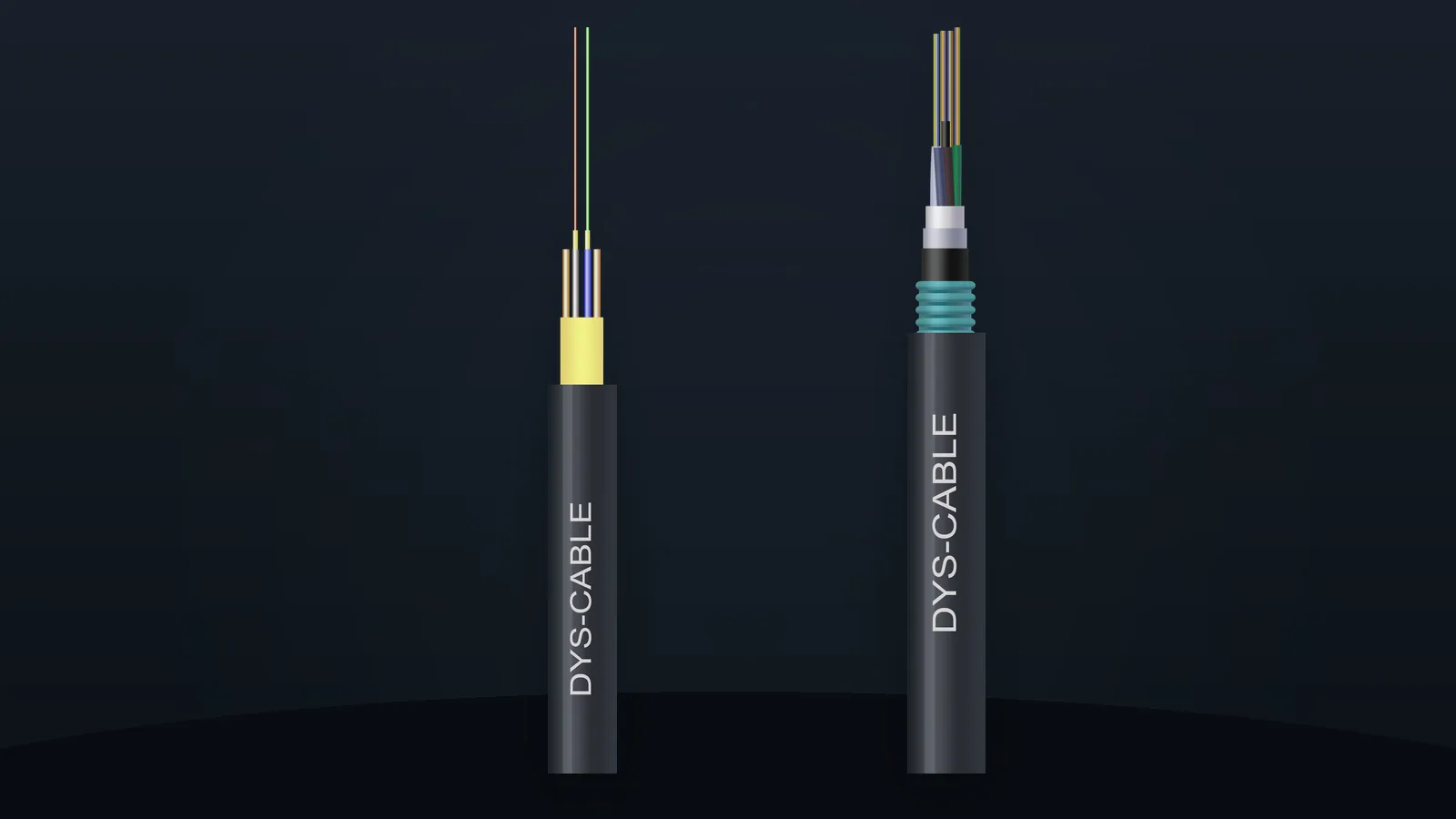
Indoor vs Outdoor Fiber Cable: Jackets & Transitions
Indoor vs outdoor fiber optic cable means two protection systems around one glass: jacket, water blocking, and the 15 m transition rule at the building entry.
Read guide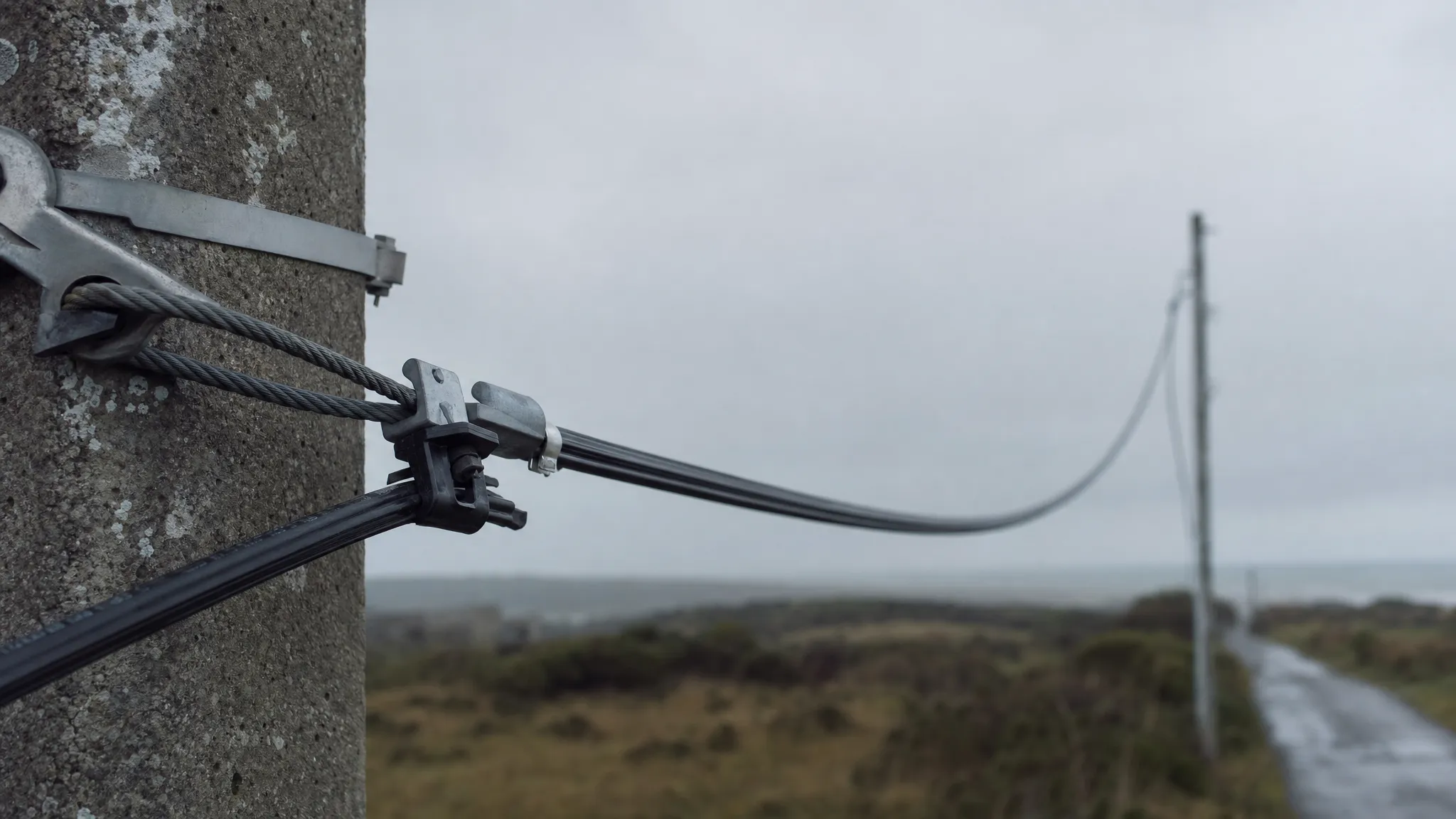
Aerial Fiber Cable: ADSS vs Figure-8 vs Lashed
Aerial fiber cable comes in three builds: ADSS, figure-8 and lashed. What carries the tension and where metal is banned decide which one your route can take.
Read guide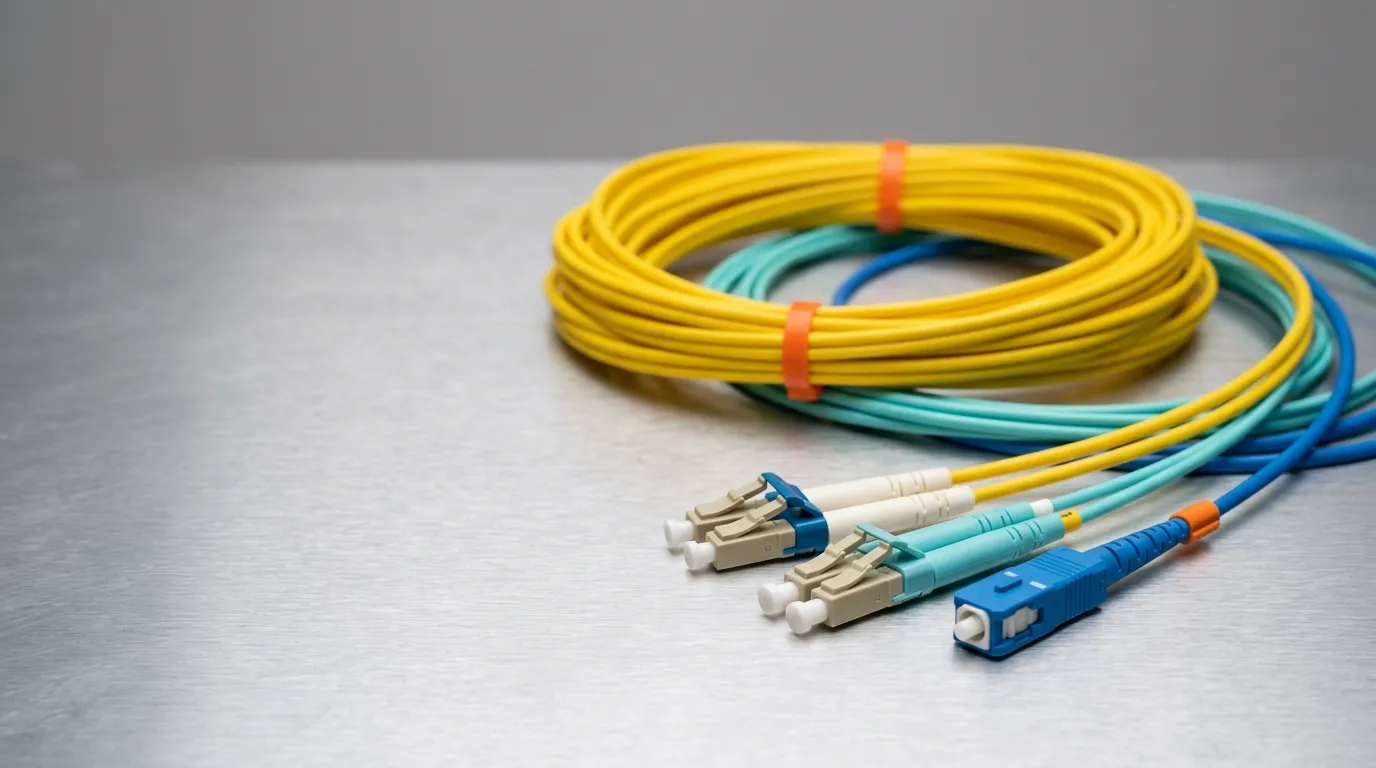
Fiber Optic Patch Cord Types: A Selection Guide
Compare fiber optic patch cord types across the four axes that matter — connector, polish, simplex or duplex, and jacket — plus the specs to put in an RFQ.
Read guide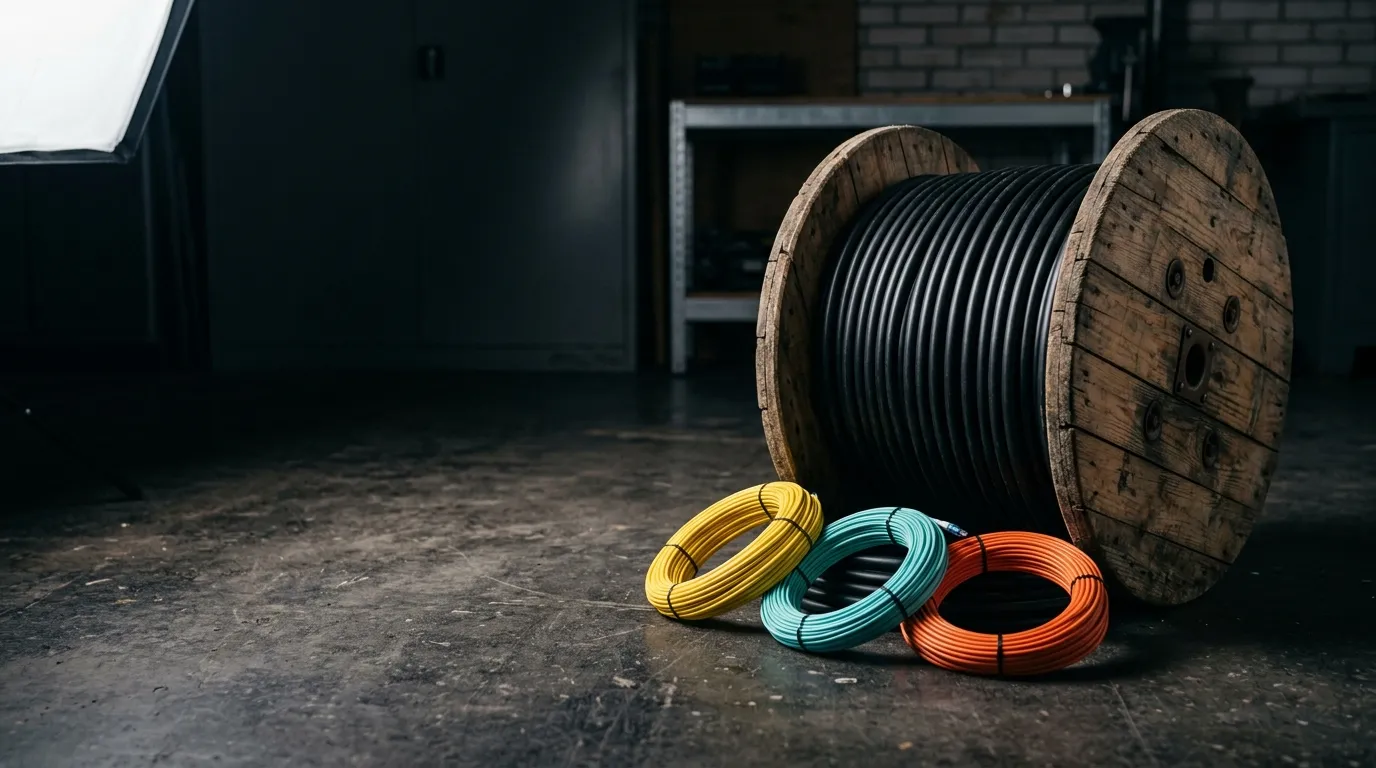
Fiber Optic Cable Types Explained: A 2026 Selection Guide
Fiber optic cable types are a three-axis decision: fiber grade, construction, and jacket. Match single-mode vs multimode and OS/OM grades to your application.
Read guide
Direct-Bury vs Conduit: Underground Fiber Cable
Direct-bury vs conduit for underground fiber — cost, the cable each needs, armor grounding, and burial depth, with a manufacturer's real specs.
Read guideGYFTY All-Dielectric Non-Metallic Aerial Cable
GYFTY all-dielectric outdoor fiber cable — non-metallic build for aerial and duct runs near power lines and in high-lightning areas, with real DYS specs.
Read guideOFNP vs OFNR vs LSZH: Fiber Cable Fire Ratings
OFNP vs OFNR vs LSZH fiber fire ratings — how the US (NEC/NFPA) and EU (CPR Euroclass) systems differ, why they do not convert, and how to spec each.
Read guideFiber Optic Color Code Chart (TIA-598)
The TIA-598 fiber optic color code chart — jackets, buffer tubes, and the 12-fiber sequence — plus why cable jacket colour is not a reliable identifier.
Read guide